Search


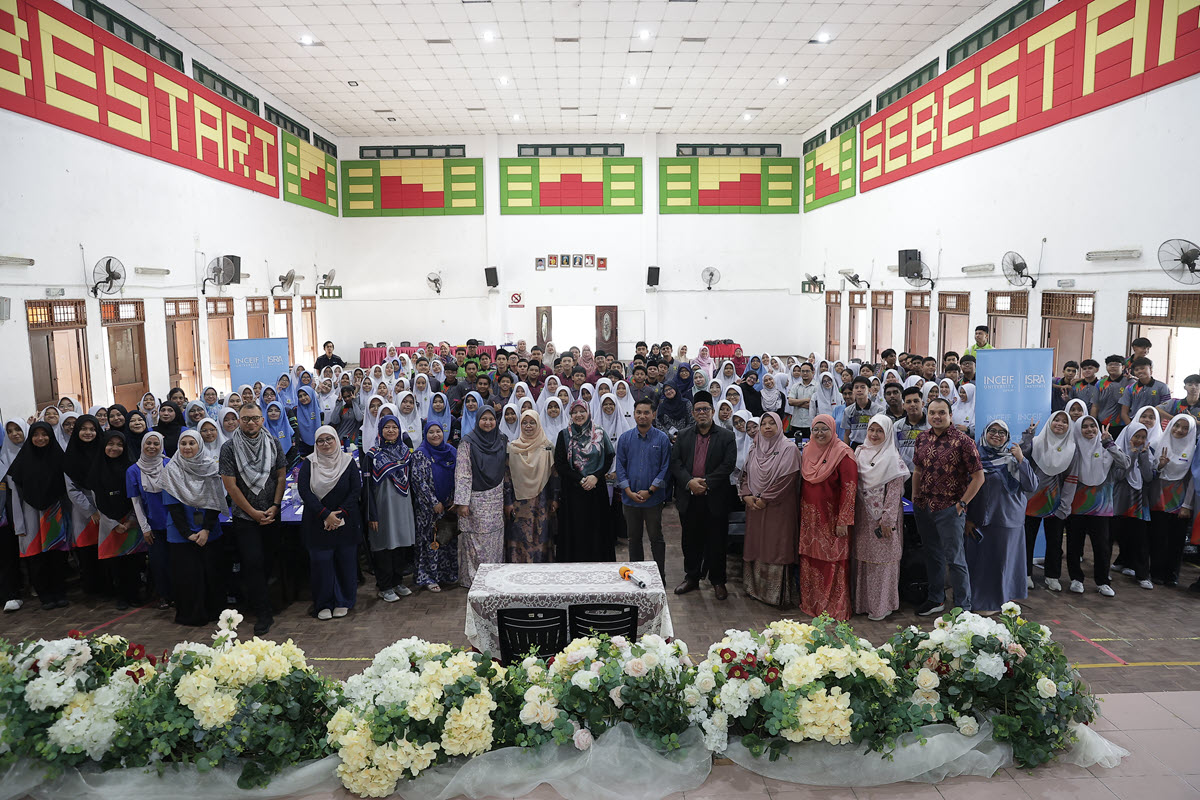
Kuala Lumpur, 18 August 2026 — For 160 secondary school students, the school holidays became an opportunity to learn something they will carry well beyond the classroom: how to make better decisions about money.
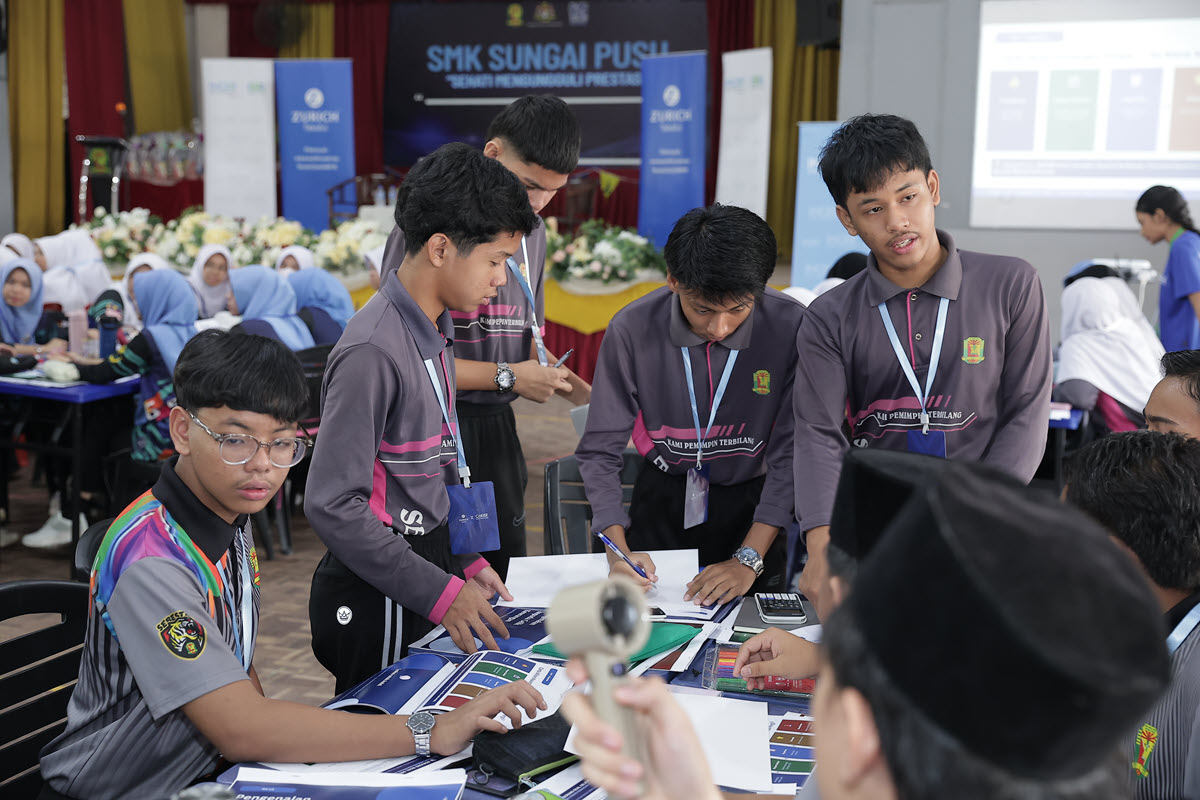
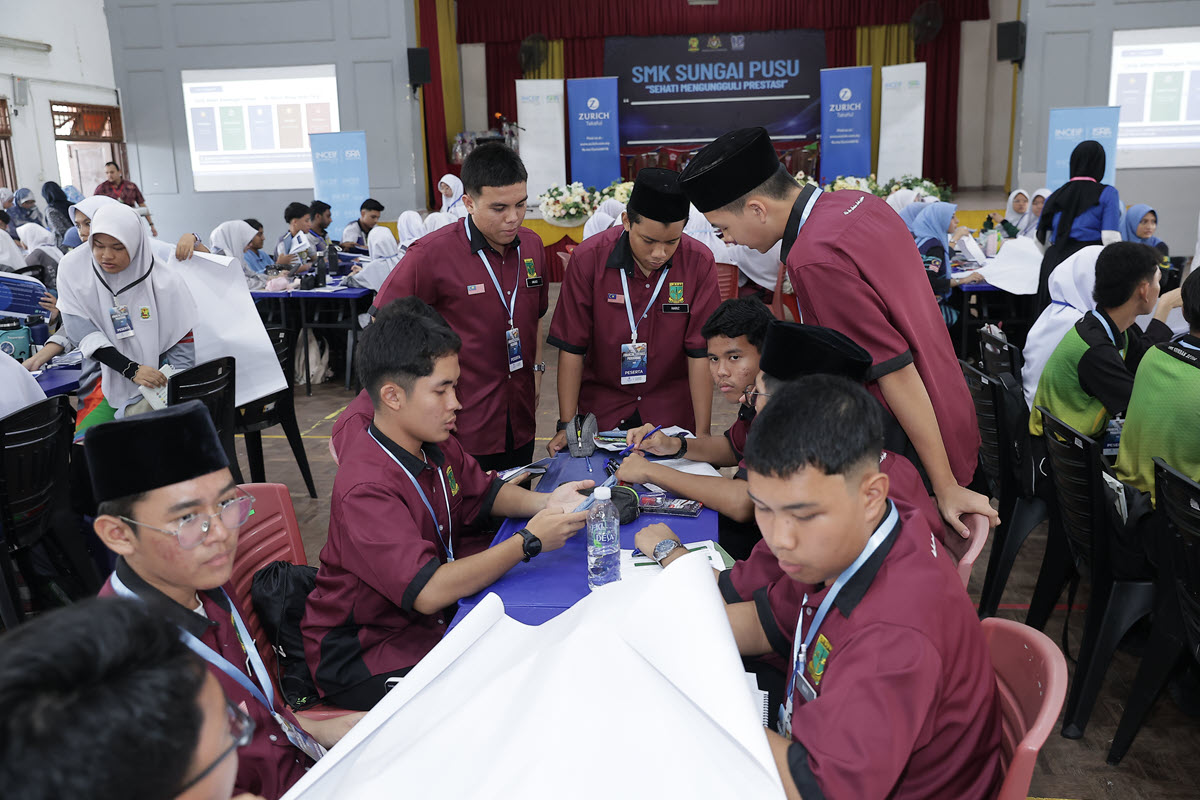
The Financial Literacy Programme 2026 – Peringkat Daerah brought together students from Sekolah Menengah Kebangsaan Sungai Pusu, Sekolah Menengah Kebangsaan Hillcrest, Sekolah Menengah Kebangsaan Gombak Setia, Sekolah Menengah Kebangsaan Seri Gombak and Kolej Islam Sultan Alam Shah, Kajang, exposing them to essential financial knowledge at an age when financial habits and awareness are beginning to take shape.
Held on 18 August 2026, the programme covered practical areas including financial literacy fundamentals, simple and effective budgeting, savings and investment, as well as awareness of financial scams and mule accounts.
But the learning did not stop at theory.
Students of Sekolah Menengah Kebangsaan Sungai Pusu also brought financial literacy to life through Program Jualan Lestari, experiencing first-hand how concepts such as budgeting, pricing, sales, entrepreneurship and responsible spending work in a practical setting.
The programme reflects a broader effort to prepare young people not only to understand money, but to develop the judgement and confidence needed to make responsible financial decisions as they move towards adulthood.
For INCEIF University, the #1 Business School of the Islamic Economy, the initiative also extends its role in financial education beyond higher education and industry, bringing relevant knowledge and expertise closer to younger generations and communities.
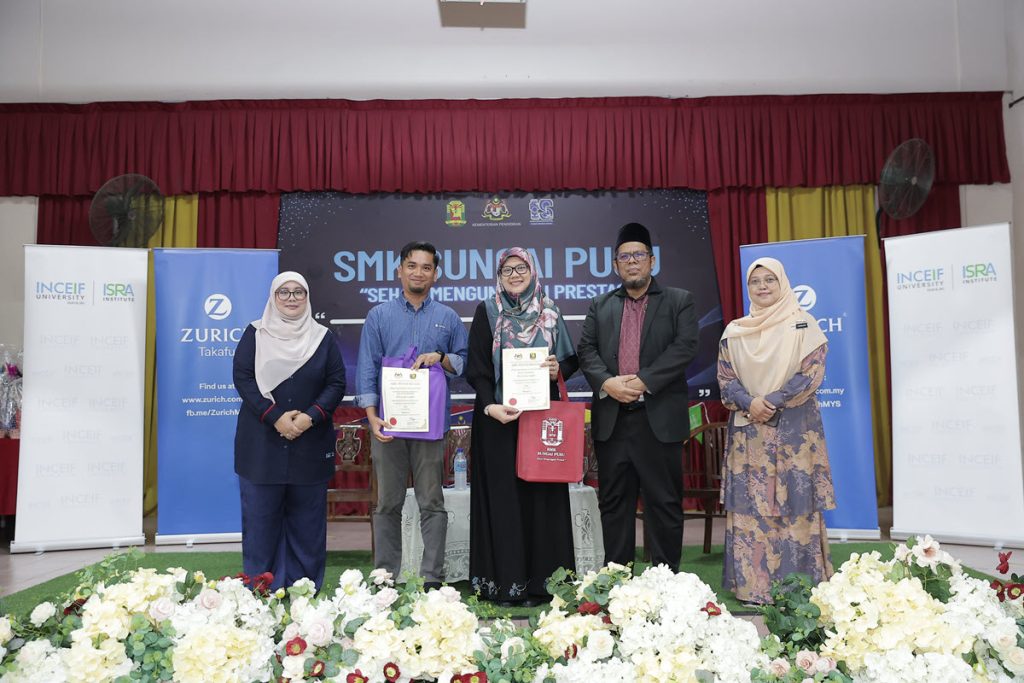
The programme was delivered through collaboration between Zurich General Takaful Malaysia Berhad, teachers and students from the participating schools, and INCEIF University through the Centre of Excellence in Islamic Social Finance, ISRA Institute, and University Social Responsibility & Community.
By combining structured learning with practical experience, the programme demonstrated that financial literacy can be made relevant to young people when they are given opportunities to understand, practise and experience financial decision-making for themselves.
As these students become tomorrow’s consumers, entrepreneurs, professionals and leaders, the lessons introduced today could prove increasingly important.
Financial resilience does not begin with the first salary. It begins with understanding how to manage the choices that come before it.