 Search


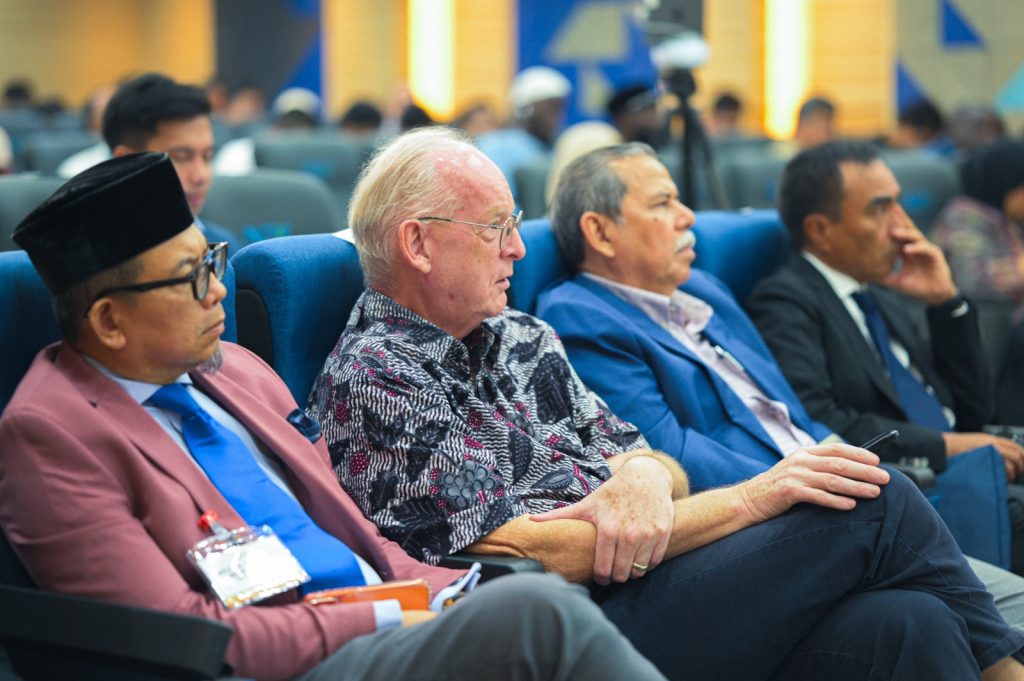
Kuala Lumpur, 17 November 2026 – The continued growth of Islamic finance must be matched by meaningful contributions to economic development and societal well-being, with greater emphasis on how the industry serves people and strengthens the real economy.
This was among the key messages highlighted at INCEIF University’s academic seminar, “Reconstituting Islamic Economics and Finance for Muslim Countries in the Global Economy”, which brought together policymakers, academics and Islamic finance experts to examine the relevance and future direction of Islamic economics.
In his welcoming remarks, Prof Emeritus Dato’ Dr Mohd Azmi Omar, President & CEO of INCEIF University, raised a fundamental question about the industry’s direction: “Are we building an economy that serves society, or merely a larger industry that serves itself?”
He emphasised the importance of preserving the moral and ethical foundations of Islamic economics, calling for greater attention to how its principles can translate into meaningful socioeconomic outcomes rather than focusing solely on industry growth and financial expansion.
Delivering the keynote address, Mr Adnan Zaylani Mohamad Zahid, Deputy Governor of Bank Negara Malaysia, advocated a gradual, pragmatic and progressive approach to advancing Islamic economics, building on established foundations while strengthening the connection between finance and the real economy.
He stressed that the industry’s success should be measured not merely by financing volumes, but by its contribution to productive economic activity, including stronger small and medium enterprises (SMEs), sustainable agriculture, green technology and job creation.
“Our reflection should shift from asking ‘How much financing did we originate?’ to asking ‘What productive capacity did we create?’”, said Mr Adnan Zaylani.
The Deputy Governor also highlighted the industry’s progression beyond Shariah compliance towards greater emphasis on value, purpose and socioeconomic impact, citing initiatives such as Value-Based Intermediation (VBI) and i-TEKAD. He encouraged further academic research into risk-sharing, SME equity financing, impact measurement and Islamic money markets to support evidence-based policy development and purposeful financial innovation.
The seminar also featured perspectives from Assoc Prof Dr Hassanudin Mohd Thas Thaker, Dr Mustapha Hamat and Mr Ashraf Gomma Ali, with Prof Dr Syed Abdul Hamid Aljunid serving as Course Facilitator and Mentor.
Held as part of INCEIF University’s Capstone Project – Seminar in Economics, the session reflected the University’s continued efforts to connect academic research, policy perspectives and industry practice in advancing Islamic economics and finance as a practical framework for addressing contemporary economic challenges.
– ENDS –