Search


Kuala Lumpur, 13 July — As Malaysia accelerates towards becoming an aged nation, INCEIF University has brought together key policymakers, academic researchers, and civil society leaders to present actionable policy and financing solutions aimed at helping older Malaysians age at home with dignity.
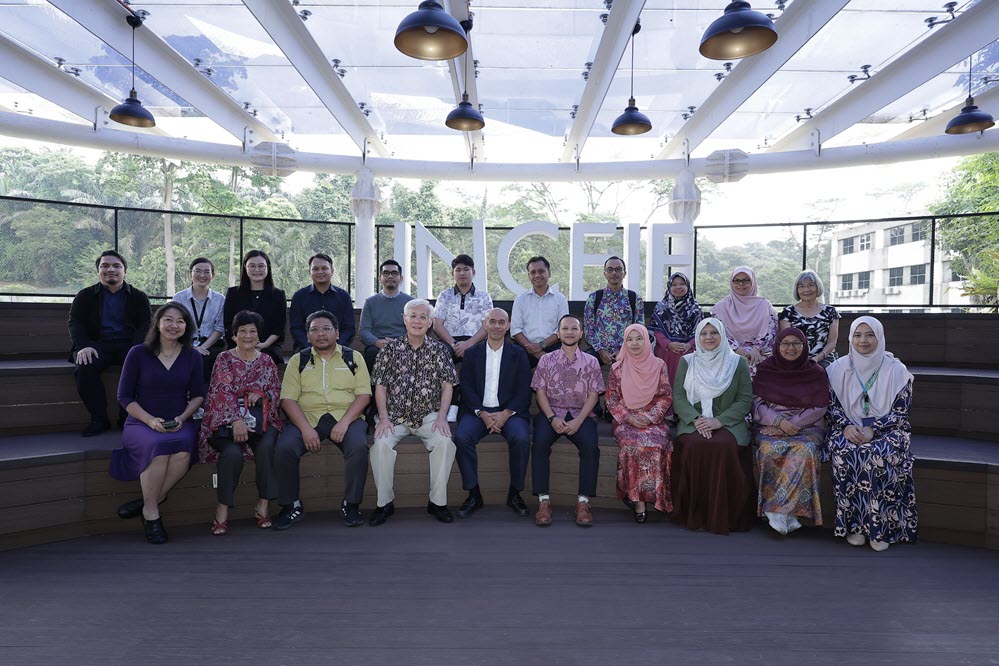
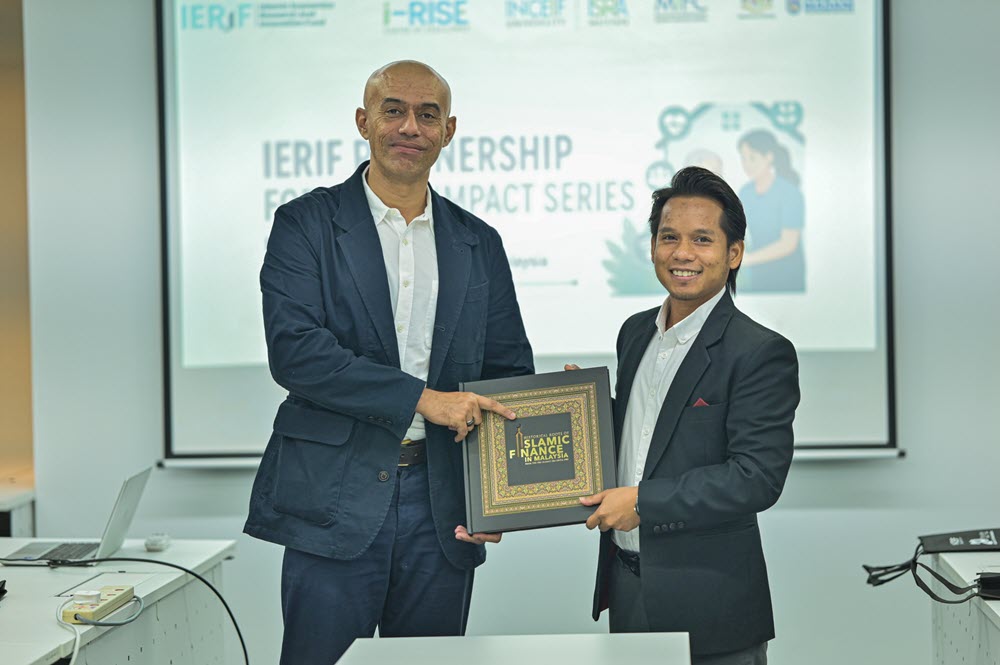
The findings were presented during the Islamic Economics Research and Innovation Fund (IERIF) Partnership for Policy Impact Series, held at the INCEIF University campus. The strategic dialogue was officially opened by Lembah Jaya State Assemblyman Syed Ahmad Syed Abdul Rahman Alhadad, alongside Mr. Raja Mohamad Shahadan Raja Mohamed, Chief Financial Officer of INCEIF University.
Funded by the Ministry of Finance Malaysia through the Islamic Economics Research and Innovation Fund, the session highlighted two major research breakthroughs designed to support the government’s Ekonomi MADANI vision for an inclusive society.
Key Outcomes & Policy Innovations:
- Establishing a National Framework for Assistive Technology
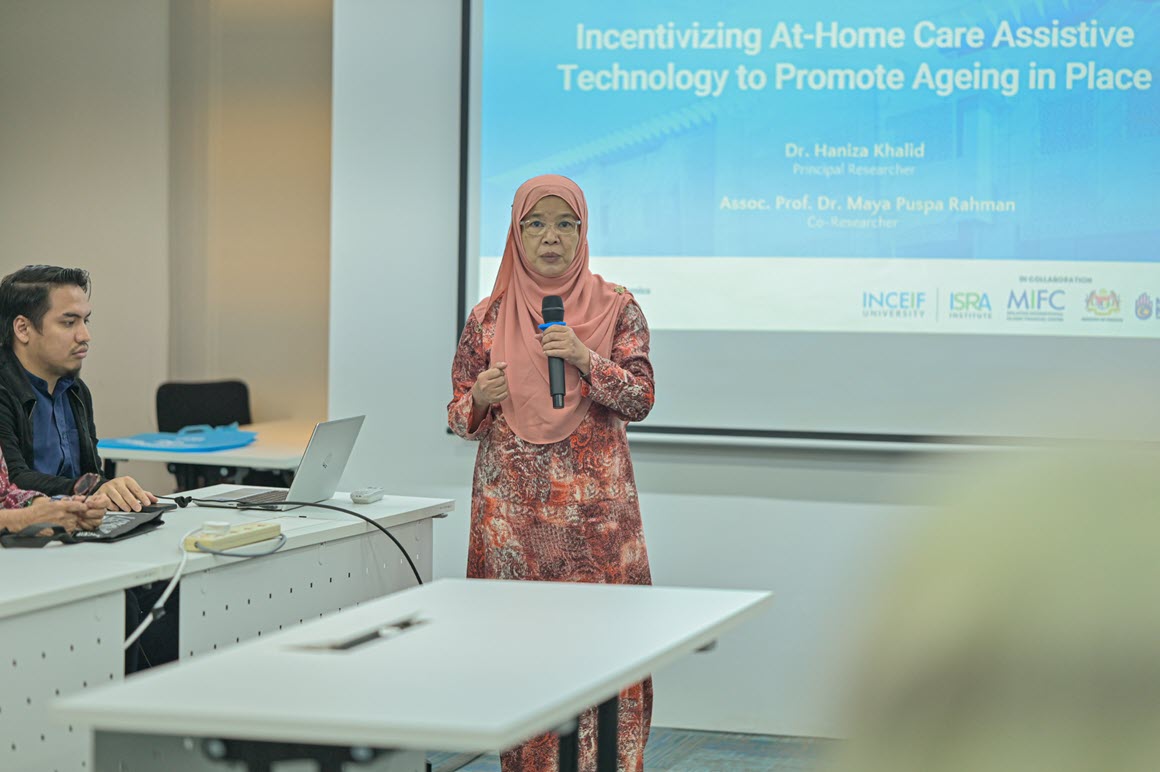
- The Research: Led by Dr. Haniza Khalid of INCEIF University, the study “Incentivising At-Home Care Assistive Technology to Promote Ageing in Place” addresses the growing strain on formal and informal caregivers.
- The Solution: Transitioning from reliance on family caregivers towards widespread adoption of assistive technology including mobility aids, home modifications, digital monitoring, and robotic assistance.
- The Impact: Enhances the daily independence and quality of life for older adults while reducing long-term healthcare costs and caregiver burnout.
- Introducing State-Level Long-Term Care Takaful
- The Research: Led by Associate Professor Dr. Syed Marwan Mujahid of the International Islamic University Malaysia (IIUM), the study “Islamic Social Finance Solutions in Addressing Challenges in Elderly Care in Malaysia” proposes a structured financing framework for senior care.
- The Solution: A proposed state-level Long-Term Care Takaful pilot programme, tested over a one- to three-year period, to provide Shariah-compliant financial protection for home-based and institutional care expenses.
- Blended Islamic Social Finance: Integrating Zakat (for eligible asnaf with urgent needs), Waqf (for long-term care facilities and sustainable income streams), and Sadaqah paired with Corporate Social Responsibility initiatives into a unified ecosystem.
Representatives across government agencies, academia, and non-governmental organisations including Persatuan Kebajikan USIAMAS Malaysia (USIAMAS), Yayasan Orang Kurang Upaya Kelantan (YOKUK), the Malaysian Coalition on Ageing, and the Malaysian Research Institute on Ageing unanimously agreed on several core priorities:
- Legislative and Institutional Reforms: Creating a centralised national database for vulnerable senior citizens and improving inter-ministerial coordination.
- Caregiver Empowerment: Expanding structured training programmes for both professional care workers and family members.
- Active Ageing Ecosystems: Boosting community-based initiatives focused on digital literacy, financial education, and social engagement to prevent isolation among older Malaysians.
Stakeholders concluded the dialogue with a shared commitment to translate these research findings into concrete public policy and community implementation across the nation.