 Search


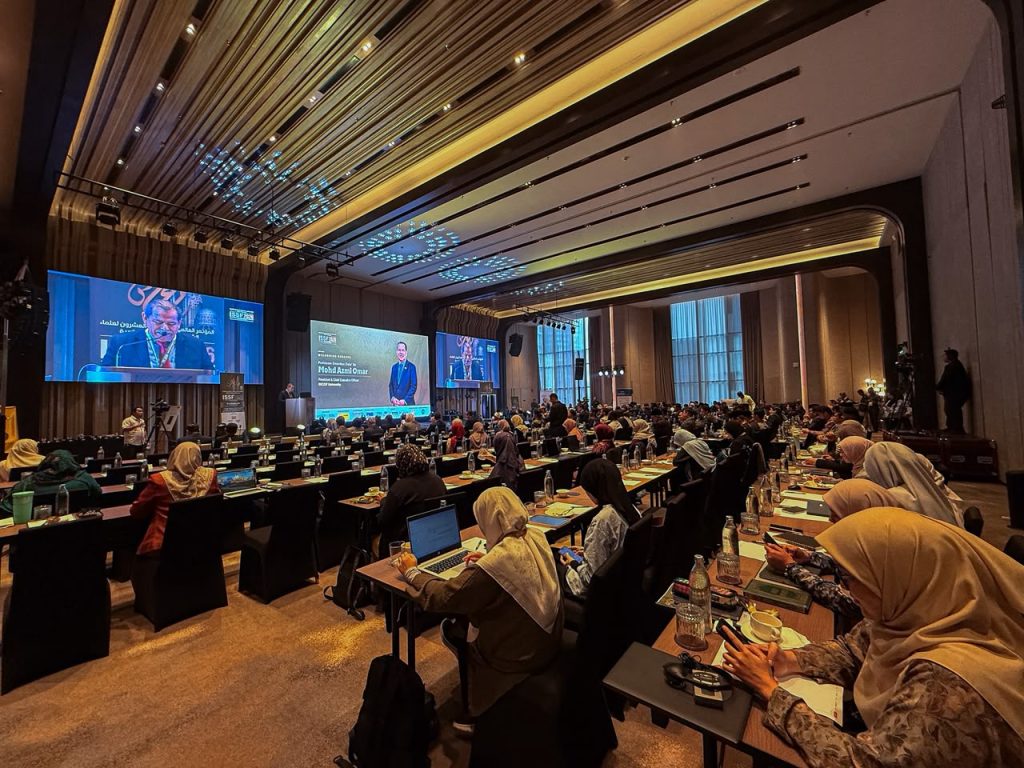
Kuala Lumpur, 25 November 2026 – INCEIF University unveiled a series of digital knowledge initiatives, scholarly publications and strategic partnerships at the 21st International Shariah Scholars Forum in Islamic Finance (ISSF2026), as leading international Shariah scholars and industry experts convened to reassess the application of Shariah contracts in an increasingly sophisticated Islamic financial landscape.
This year’s deliberations are particularly timely in light of Bank Negara Malaysia’s Strategy Paper on Advancing Shariah Contract Applications, placing greater attention on the relationship between financial innovation, contractual implications and the intended objectives of Shariah contracts.
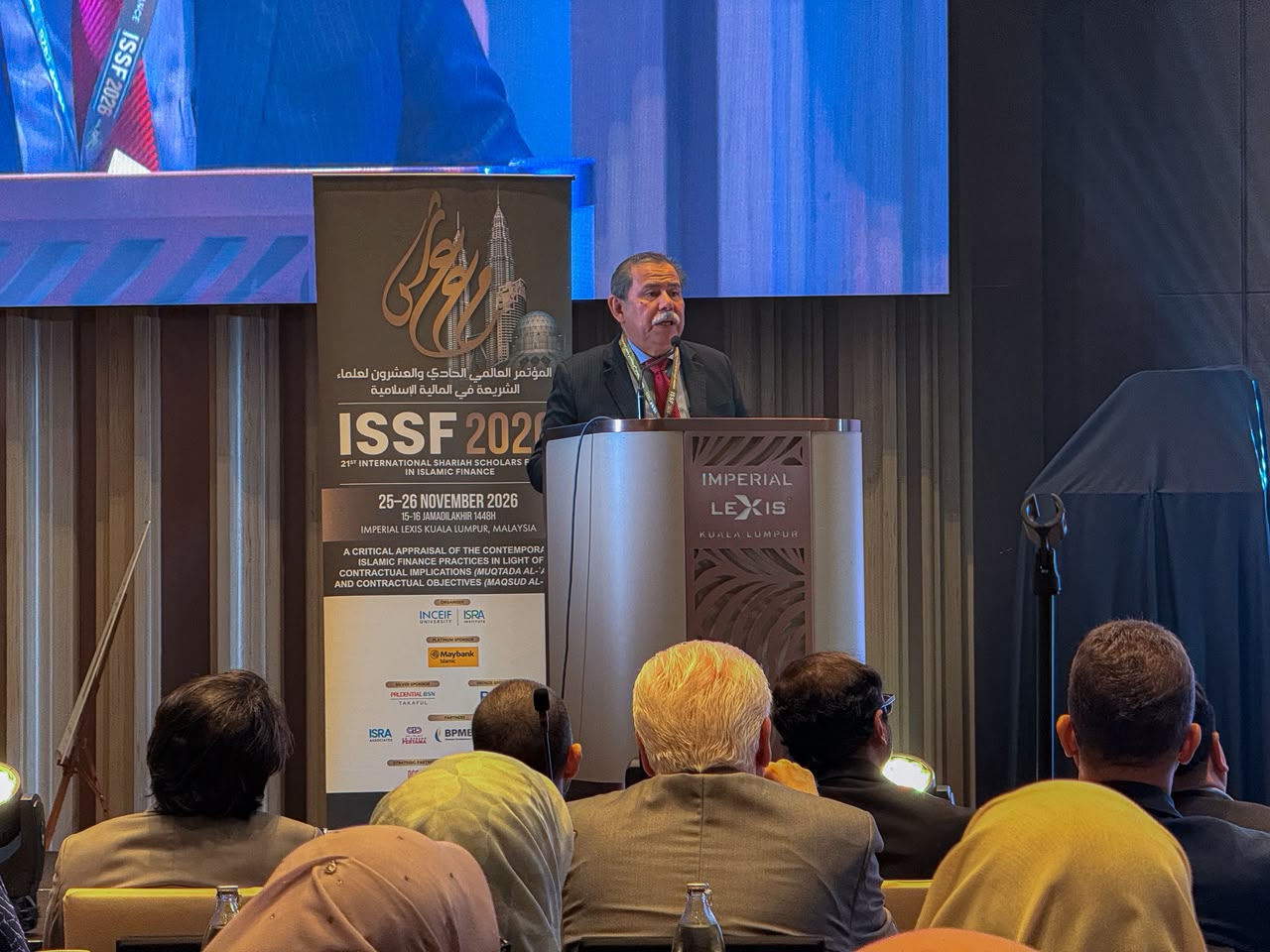
In his welcoming remarks, Professor Emeritus Dato’ Dr Mohd Azmi Omar, President & Chief Executive Officer of INCEIF University, acknowledged the significant progress achieved by Islamic finance through the development of diverse financial products, services and contractual arrangements, while emphasising the importance of critically examining their underlying objectives.
“As we continue to develop financial structures, are we sufficiently considering the underlying implications and objectives of the Shariah contracts being applied? Are our current practices truly reflecting the intended purposes of these contracts? These are important questions that deserve scholarly deliberation,” he said.
He further highlighted the role of ISSF in facilitating intellectual engagement between Shariah scholars, regulators, academics and industry practitioners, contributing to the development of Islamic finance on a sound and sustainable foundation.
Reflecting INCEIF University’s commitment to advancing Islamic finance beyond education, the opening ceremony marked the official launch of the new I-FIKR platform, aimed at enhancing access to Islamic finance knowledge, research and scholarly resources.
The ceremony also featured a symbolic signing by Sheikh Professor Dr Ali Muhyiddin Ali Al-Qaradaghi, signifying his support for the English translation of his book, Elevating Maqasid al-Shariʿah: Transitioning to a Maqasid-Integrated System, in collaboration with Maybank Islamic Berhad. This was followed by the launch of two publications developed in partnership with Prudential BSN Takaful Berhad, entitled Takaful Trailblazer Malaysia’s Journey and Selected Shariah Resolution of the Shariah Committee of Prudential BSN Takaful Berhad.
Further expanding its contributions to emerging areas of economic development, INCEIF University launched the OIC Digital Economy Index and Digital Economy Policy Toolkit, as well as exchanged Memoranda of Understanding (MoUs) with the Association of Islamic Banking and Financial Institutions Malaysia (AIBIM), Universiti Teknologi Malaysia (UTM) and Al Salam Bank, Algeria.
“The future of Islamic finance cannot be shaped by any single institution. It requires collective efforts, shared knowledge and strong partnerships across academia, regulators and industry,” Professor Emeritus Dato’ Dr Mohd Azmi Omar added.
Now in its 21st edition, ISSF has served for more than two decades as an established international platform for critical Shariah discourse, scholarly exchange and constructive engagement on contemporary Islamic finance issues.
ISSF2026 was officiated by Sahibus Samahah Tuan Haji Ahmad Fauwaz Fadzil, Mufti of the Federal Territories of Malaysia, and featured distinguished speakers including Sheikh Professor Dr Ali Muhyiddin Ali Al-Qaradaghi, President of the International Union of Muslim Scholars, alongside prominent international Shariah scholars and experts.
Held from 25 to 26 November 2026 at Imperial Lexis Kuala Lumpur, the forum carries the theme“A Critical Appraisal of the Contemporary Islamic Finance Practices in Light of Contractual Implications (Muqtada al-ʿAqd) and Contractual Objectives (Maqsud al-ʿAqd)”, examining contemporary practices from Shariah, economic, regulatory and prudential perspectives.
ISSF2026 is supported by Maybank Islamic Berhad as Platinum Sponsor, alongside its sponsors, strategic partners and supporting institutions.
– END –